Blog

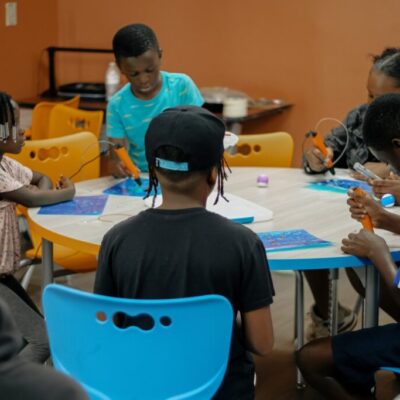
Youth as Designers, Not Just Participants
In Lakeview, our young people are not simply “the next generation.” They are leaders in the present. And the way we prepare them to lead is rooted in our Human-Centered Education principle—Purpose & Belong—a culturally responsible approach that centers the true identity of our community, emphasizes sustainability, equity, and cooperative living, and produces solutions that value both humanity and the planet.
We call it Culturally Responsible Youth Programming, and it’s not something we do alone. Our partners—Communities In Schools, Digi Bridge, and The Academy of Goal Achievers—help ensure that what we teach and design reflects who we are and what we stand for.
Read more
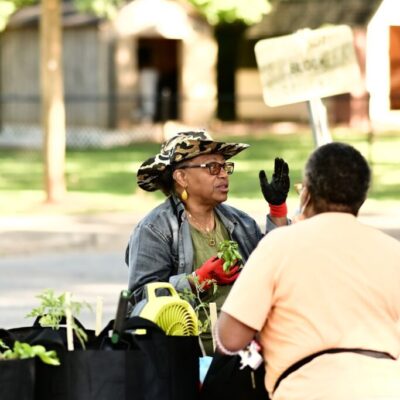
The Ethics of “Helping”: Moving from Charity to Solidarity
Charity has been part of community life for generations. At its best, it’s generous, heartfelt, and immediate in its impact. But too often, it stops short—meeting a need in the moment without changing the circumstances that created it.
In Lakeview, we’ve chosen a different path. Our work is grounded in solidarity—standing with each other, sharing responsibility, and building together. Solidarity starts from the belief that every person brings value and agency to the table. It replaces the one-way transaction of “helping” with shared ownership of both the work and the outcome.
Read more
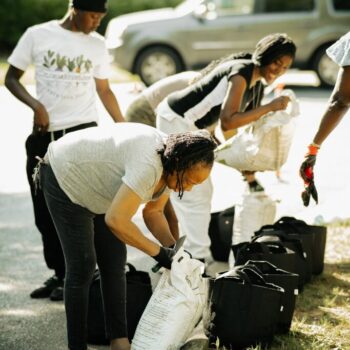
The Human Side of Data: Why Numbers Alone Don’t Tell the Story
A spreadsheet can tell you how many households attended a community meeting. It can chart the number of jobs created, or show the percentage increase in access to fresh food. Those numbers matter. They help us track progress, secure funding, and see where we’re falling short.
But if we stop at the numbers, we miss the full story. We miss the reasons behind the change, the lived experiences that give those figures meaning, and the voices that deserve to be at the center of the work.
Read more
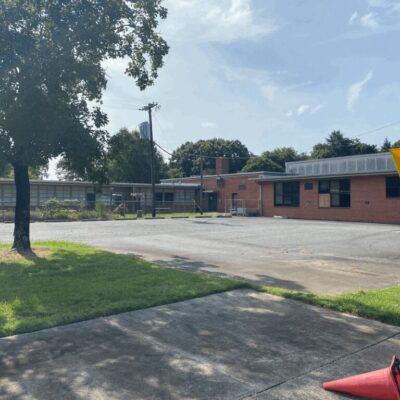
The Power of Place: Why Neighborhood-Rooted Change Outlasts Short-Term Programs
When you’ve walked the same street for thirty years, you know which oak trees bloom first in spring. You remember who used to live in the corner house before it was torn down. You know which elders still sit on their porches in the evening, waving at every passing car.
And if you’ve been here long enough, you’ve also seen the other side of “revitalization.” The shiny buildings that go up in months. The headlines about progress. The ribbon-cuttings where the cameras come, but the neighbors—your neighbors—are missing.
Lakeview has felt that pressure. We’ve been the backdrop for plans that looked good on paper but disappeared as quickly as they arrived. Yet we’ve also learned something important: when change grows from within, when the people who live here lead and own it, it has a way of staying.
Read more
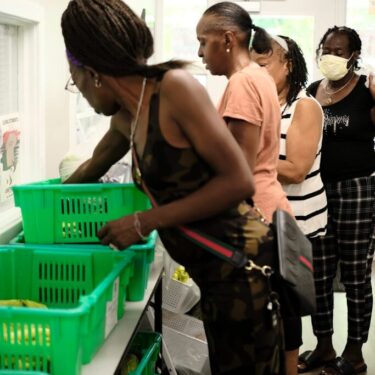
Cooperative Economics: The Old Idea That Could Change the Future
In the 1960s, in a small Alabama town, a group of Black women came together to form the Freedom Quilting Bee. They stitched quilts not just to keep warm, but to keep their community alive. The money from those quilts bought land, built a sewing center, and sent children to college. What they created was ownership, and it changed what was possible for their families.
That model wasn’t new, even then. From mutual aid societies to bartering circles, Black communities and other marginalized groups have practiced cooperative economics for generations. Pooling resources was often the only way to survive in a system built to exclude them. And these efforts did more than keep the lights on—they built dignity, strengthened relationships, and gave people the power to shape their own futures.
Read more