The Ethics of “Helping”: Moving from Charity to Solidarity
Charity has been part of community life for generations. At its best, it’s generous, heartfelt, and immediate in its impact. But too often, it stops short—meeting a need in the moment without changing the circumstances that created it.
In Lakeview, we’ve chosen a different path. Our work is grounded in solidarity—standing with each other, sharing responsibility, and building together. Solidarity starts from the belief that every person brings value and agency to the table. It replaces the one-way transaction of “helping” with shared ownership of both the work and the outcome.
That belief runs through every corner of the LIVE GR8TLY ecosystem. In housing, it shows up in Housing That Holds Us Together—cooperatively owned, intergenerational homes designed and governed by residents. In economic mobility, it shapes the EHub, where neighbors create and run businesses that keep income in the community. In health and wellness, it powers programs like Take Care Tuesdays, where residents lead efforts to care for one another.
Each of these examples takes time. It’s easier to hand out a resource than to co-create a system for producing it. But systems built together endure, because they belong to the people they serve.
The difference shows up in how decisions are made, too. In solidarity, the priorities don’t come from outside agendas—they emerge from conversations with the people most affected. That changes not only what we build, but how we measure success. The goal is beyond just meeting a need; it’s to ensure the solution strengthens the neighborhood’s resilience over time.
This approach asks for more patience, more listening, and more trust. It means spending time understanding why a need exists before deciding how to meet it. It means sharing decision-making power. And it means celebrating solutions that reflect our community’s identity, even if they don’t look like the standard model.
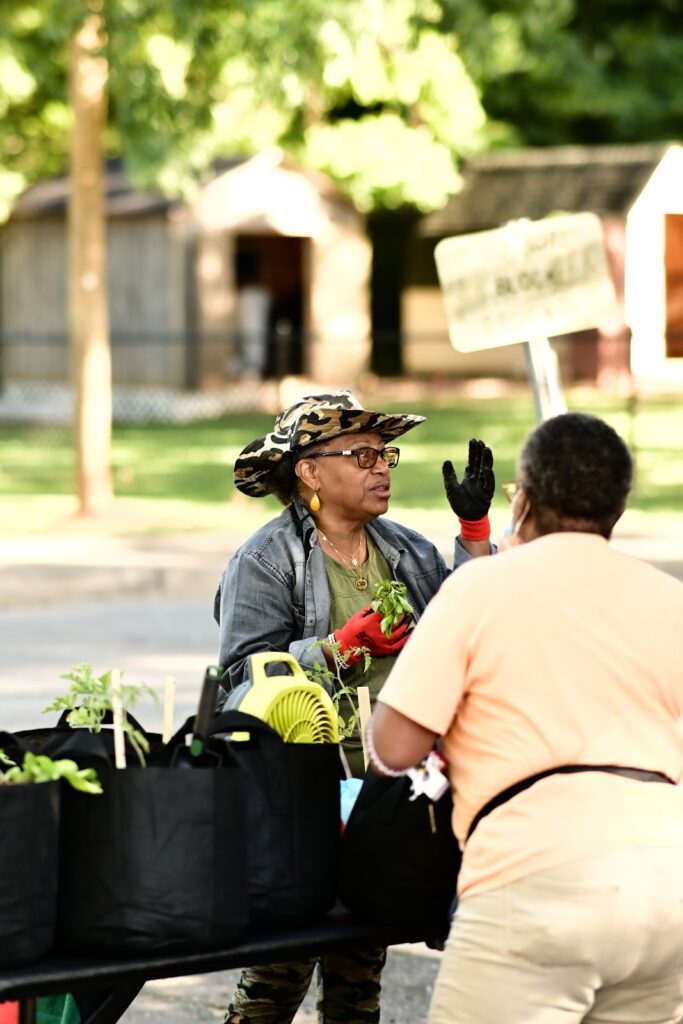
Solidarity in Lakeview is not an abstract value—it’s a daily practice. It’s neighbors working side-by-side on a garden bed. It’s residents drafting policies for housing they will live in. It’s people coming together to solve problems with the confidence that their voice matters as much as anyone’s.
We know this work is slower. We know it requires more from everyone involved. But we also know that the relationships, trust, and systems built in solidarity have a staying power charity alone can’t offer.
Join us in building together. Partner with Lakeview, volunteer alongside residents, or support projects where ownership and decision-making stay in the community. The change we create will last longer—and mean more—because we built it together.