
The Power of Place: Why Neighborhood-Rooted Change Outlasts Short-Term Programs
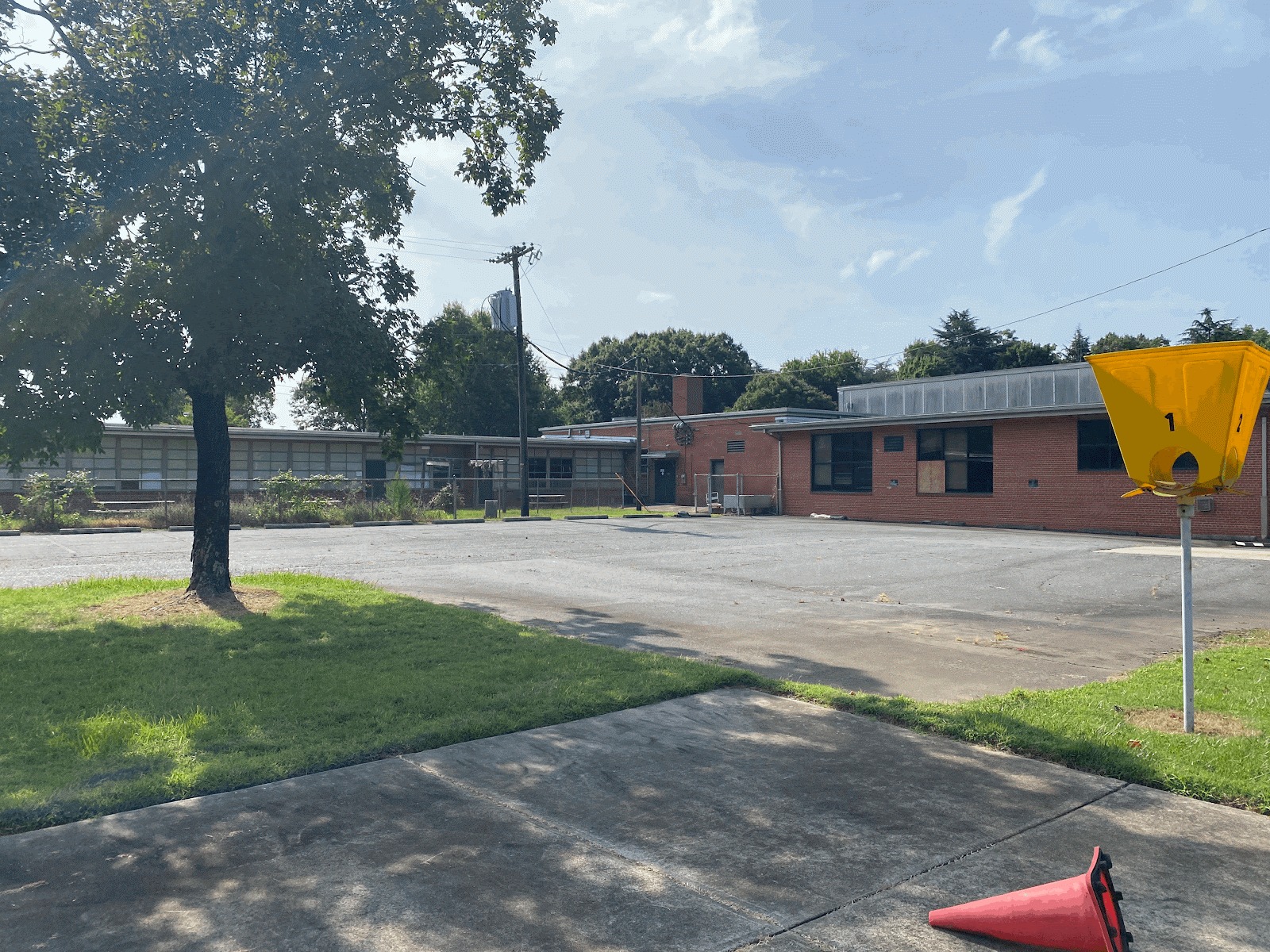
When you’ve walked the same street for thirty years, you know which oak trees bloom first in spring. You remember who used to live in the corner house before it was torn down. You know which elders still sit on their porches in the evening, waving at every passing car.
And if you’ve been here long enough, you’ve also seen the other side of “revitalization.” The shiny buildings that go up in months. The headlines about progress. The ribbon-cuttings where the cameras come, but the neighbors—your neighbors—are missing.
Lakeview has felt that pressure. We’ve been the backdrop for plans that looked good on paper but disappeared as quickly as they arrived. Yet we’ve also learned something important: when change grows from within, when the people who live here lead and own it, it has a way of staying.
This is what we mean by Design That Reflects Us—development without displacement, where cultural heritage isn’t a side note but the blueprint. It’s not about freezing time. It’s about carrying the best of our past into a future we’ve chosen together.
The kind of work we’re talking about doesn’t happen on a grant cycle. It doesn’t fit neatly into a twelve-month deliverable. This work is measured in decades, not quarters. It looks like architecture and public spaces that reflect the soul of West Charlotte. It sounds like a drumline at a community ceremony, where kids learn the rhythms their grandparents danced to. It feels like housing that holds multiple generations under one roof, not because they have to, but because they want to.
That pace can be frustrating in a world that rewards speed. But it’s also what makes the work stick. When we take the time to build together, we build things worth keeping.
Lakeview has grown through both successes and lessons learned. Each experience has strengthened our resolve to ensure that what we build remains in the hands of the community it serves. That means taking care to shape projects that honor our residents’ needs and aspirations, even if it requires more time or conversation. It means choosing approaches that protect the bonds between neighbors as much as the buildings themselves. In every decision, we work to make sure our progress adds to the story of Lakeview—never erases it.
Every part of the LIVE GR8TLY ecosystem ties back to this belief. Our housing work isn’t just about adding units; it’s about Housing That Holds Us Together. Our green spaces aren’t only for beauty; they are Green/Play Spaces for Wellness where neighbors meet, children play, and health is cultivated alongside joy. Our economic initiatives aren’t just about jobs; they are about Collective Prosperity, where ownership is shared, profits circulate locally, and dignity is built into the work.
We even measure success differently. Numbers matter, but so does the story behind them. We ask: Are more families choosing to stay? Do youth who grew up here feel connected enough to come back as adults? Is trust between residents and leadership stronger than it was last year? These are the markers that tell us we’re moving in the right direction.
Across the country, neighborhoods like ours are wrestling with the balance between revitalization and gentrification. Research shows that place-based, community-led strategies lead to stronger long-term outcomes: residents stay longer, neighbors rely on each other more, and communities weather economic storms better than those shaped by outside agendas. But there’s a cost—this approach asks for patience in a world that rewards speed, and for funders to value trust as much as they value timelines.
Lakeview is proving that the investment is worth it. We’re showing that when residents lead, they not only protect the culture and relationships that define the neighborhood—they also create change that benefits everyone.
Of course, we face challenges. Building trust means slowing down when urgency feels high. Balancing immediate needs with long-term vision can stretch resources and test patience. And sometimes, listening means holding off on building entirely. But that’s the reality of the work—and the only way we know how to do it with integrity.
Because in the end, the power of place is in the people who choose to stay. And the stronger those roots grow, the harder they are to uproot.
If you believe in building from the inside out—where the people who live here lead the way—join us. Whether it’s through a donation, volunteering, or simply sharing this story, you can help make sure Lakeview remains a place where families thrive together, for generations to come.